A face in focus.
Choose a sharp original photo so the eyes and small markings are easy to see.
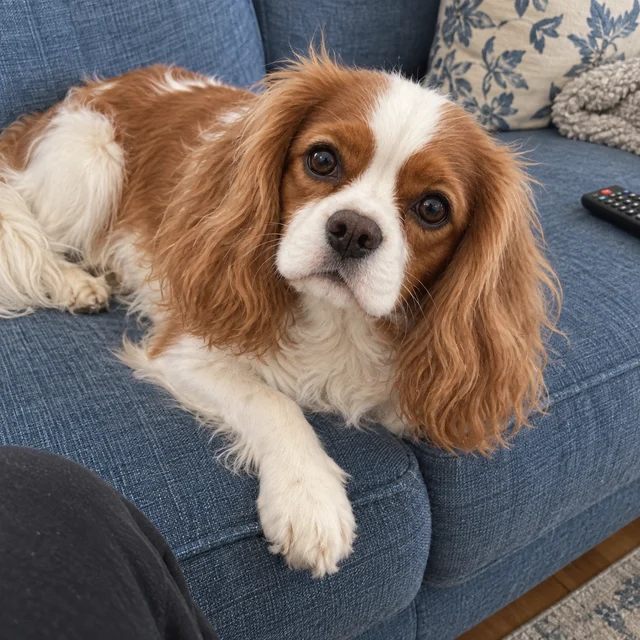


You don’t need a studio photoshoot. Choose a clear everyday photo that shows the details you know by heart.
What to look for ↓Compare the recommended photo with an example to avoid. Photo effects illustrate lost detail. The multiple-pet and turned-away examples are AI-created photo illustrations.
Choose a sharp original photo so the eyes and small markings are easy to see.
Keep eyes, nose and markings visible; move a toy or blanket aside before taking the photo.
Leave a little space around the ears and chin so the whole head stays in the photo.
Use the unfiltered original so coat colors and markings stay recognizable.
Move into soft daylight if shadows hide the eyes or coat markings.
Avoid harsh direct light that washes out white fur and facial detail.
Let the window light your pet’s face, rather than leaving it in shadow against a bright background.
Move closer until the face is easy to check, while keeping the whole head in the frame.
Use the original camera file instead of a screenshot or repeatedly compressed copy.
Choose one clearly pictured cat or dog. For another species or multiple pets in one portrait, contact us first.
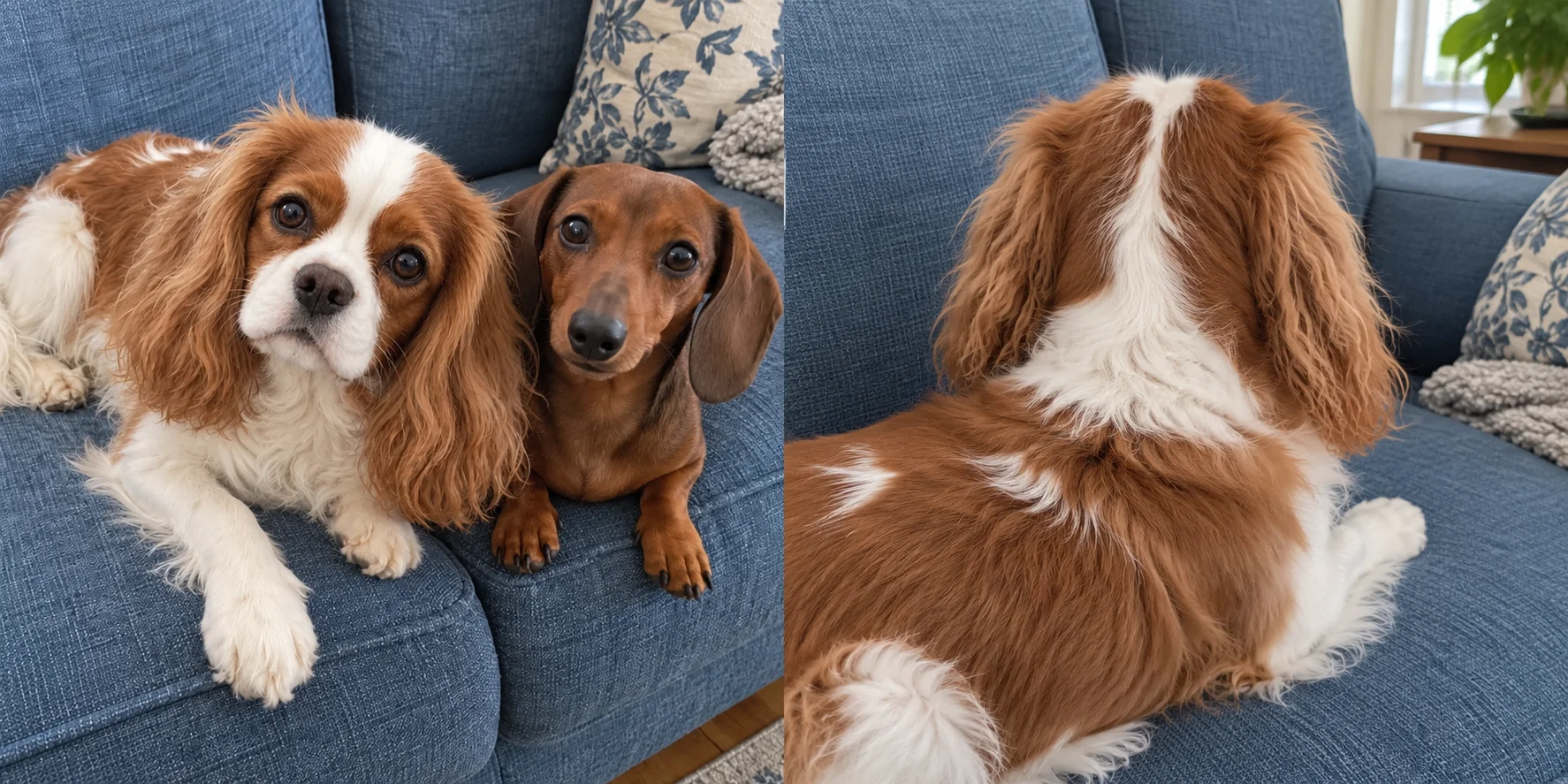
A slight head turn can work; avoid angles that hide the eyes or muzzle, and follow the chosen style’s photo advice.
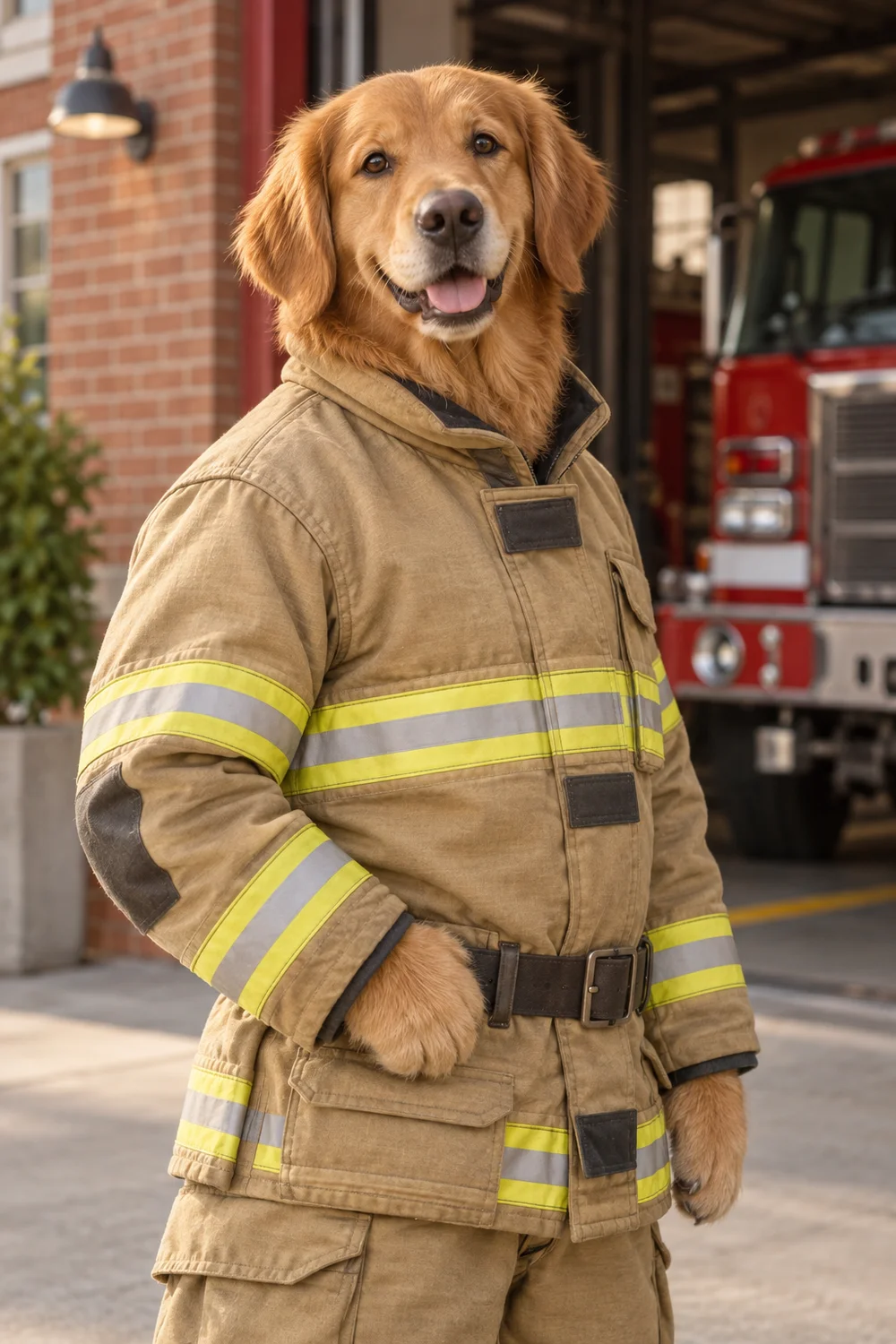
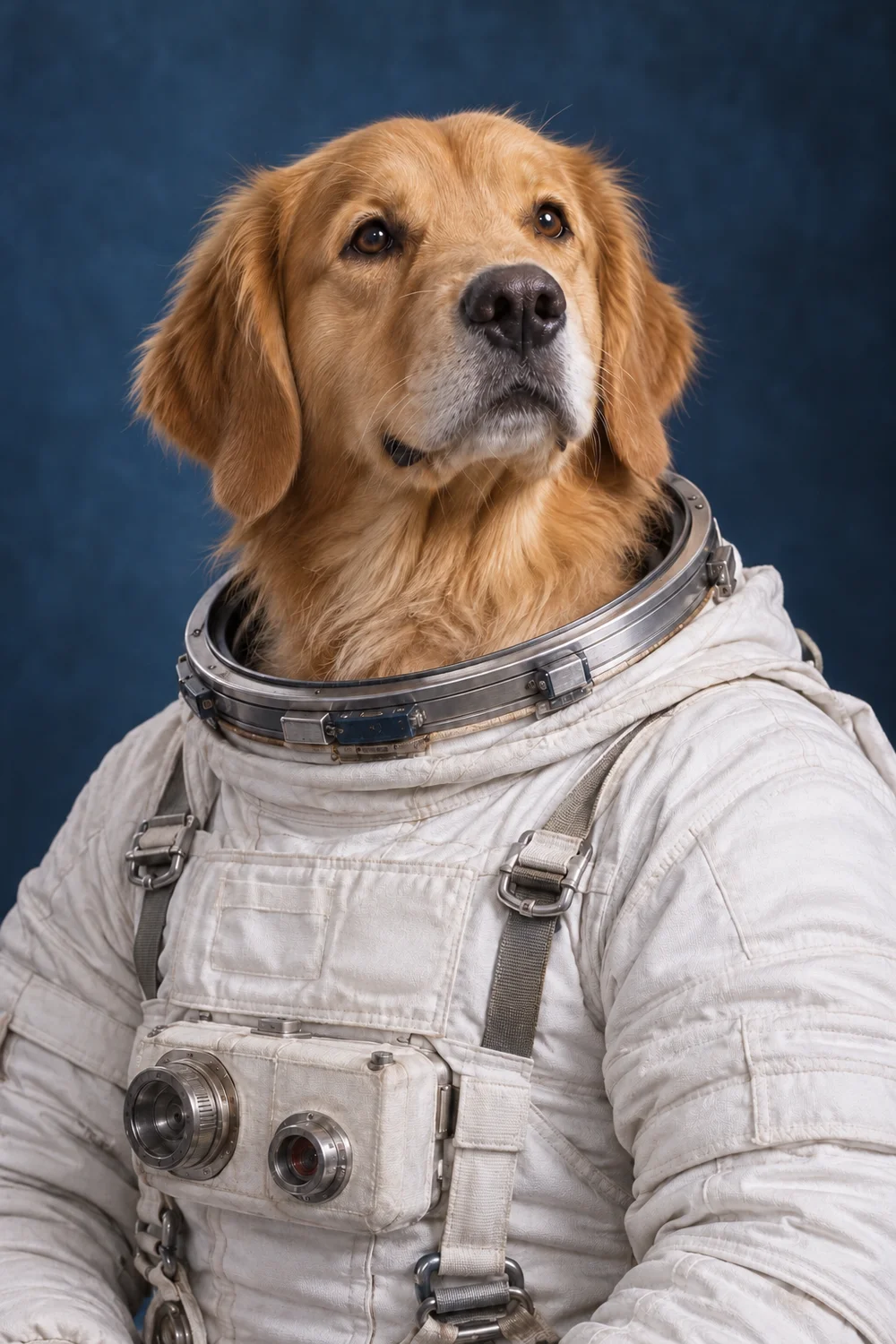
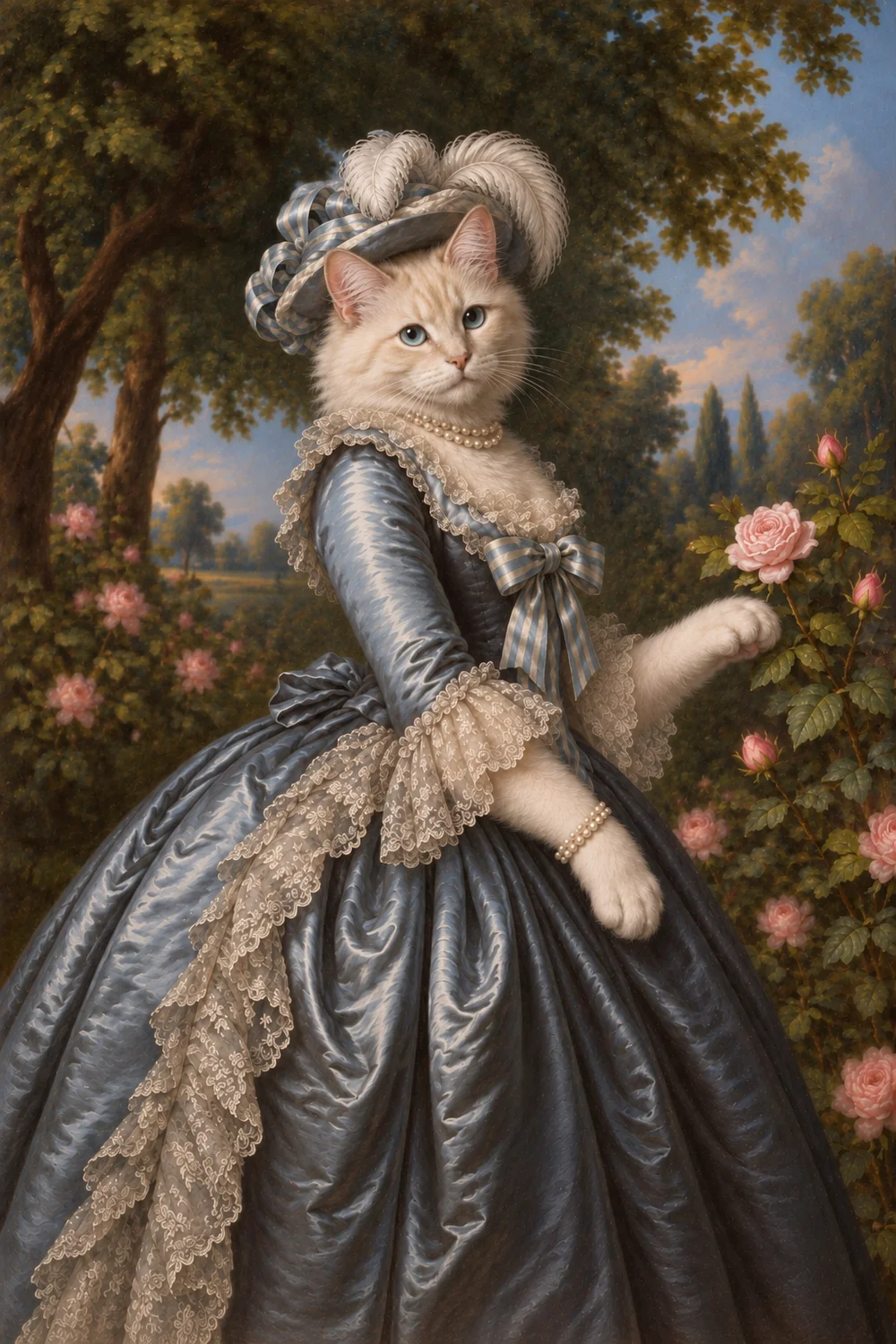
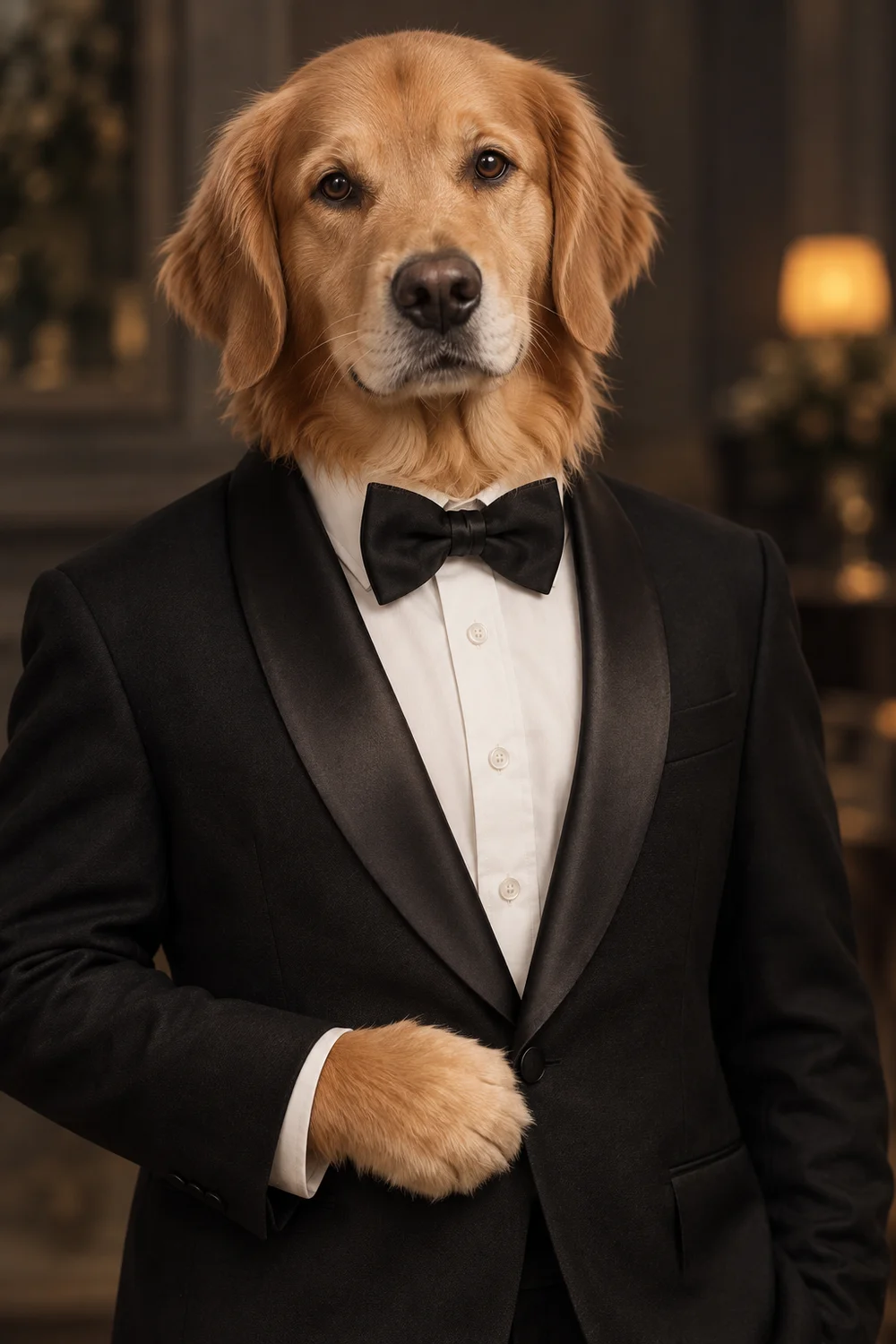
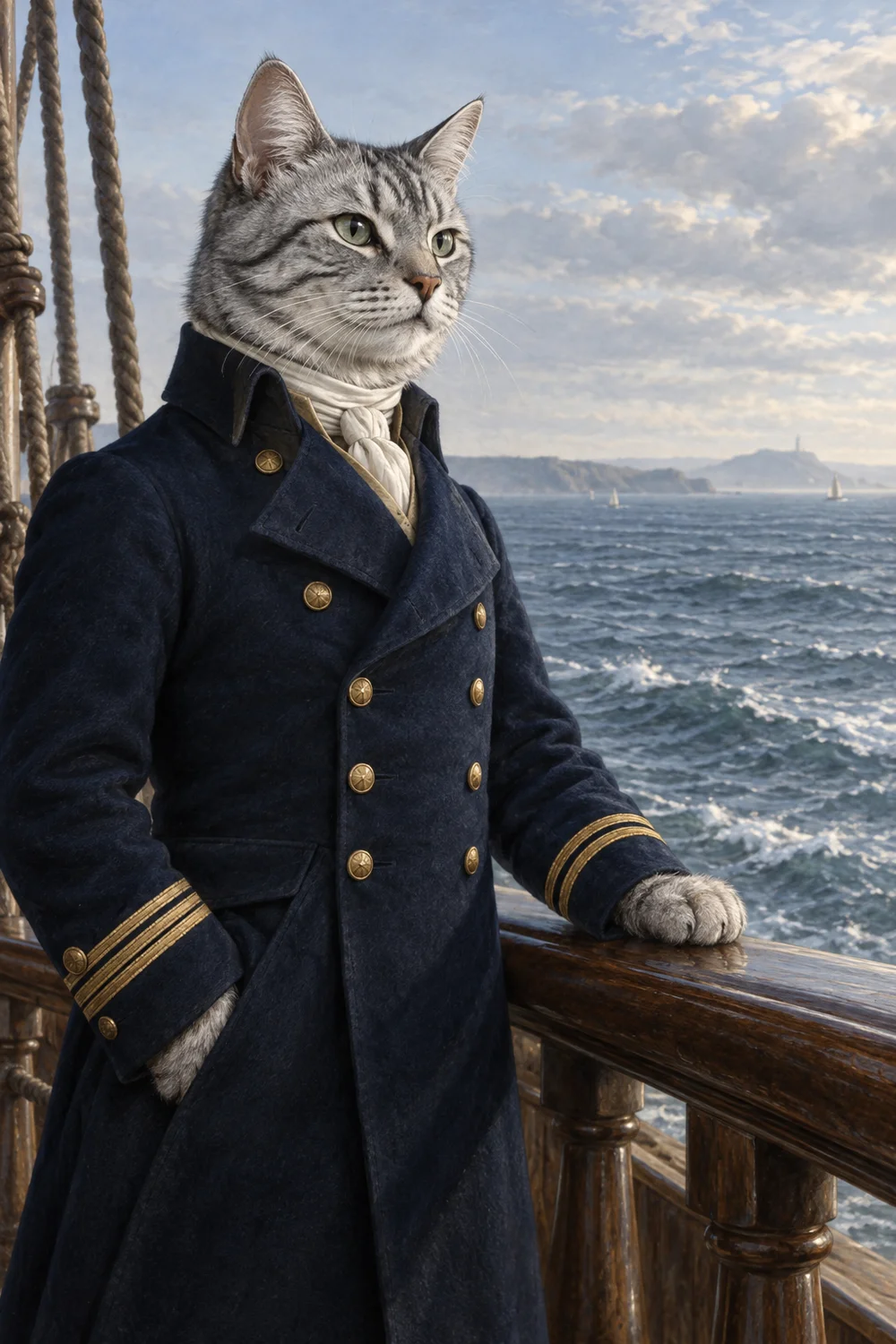
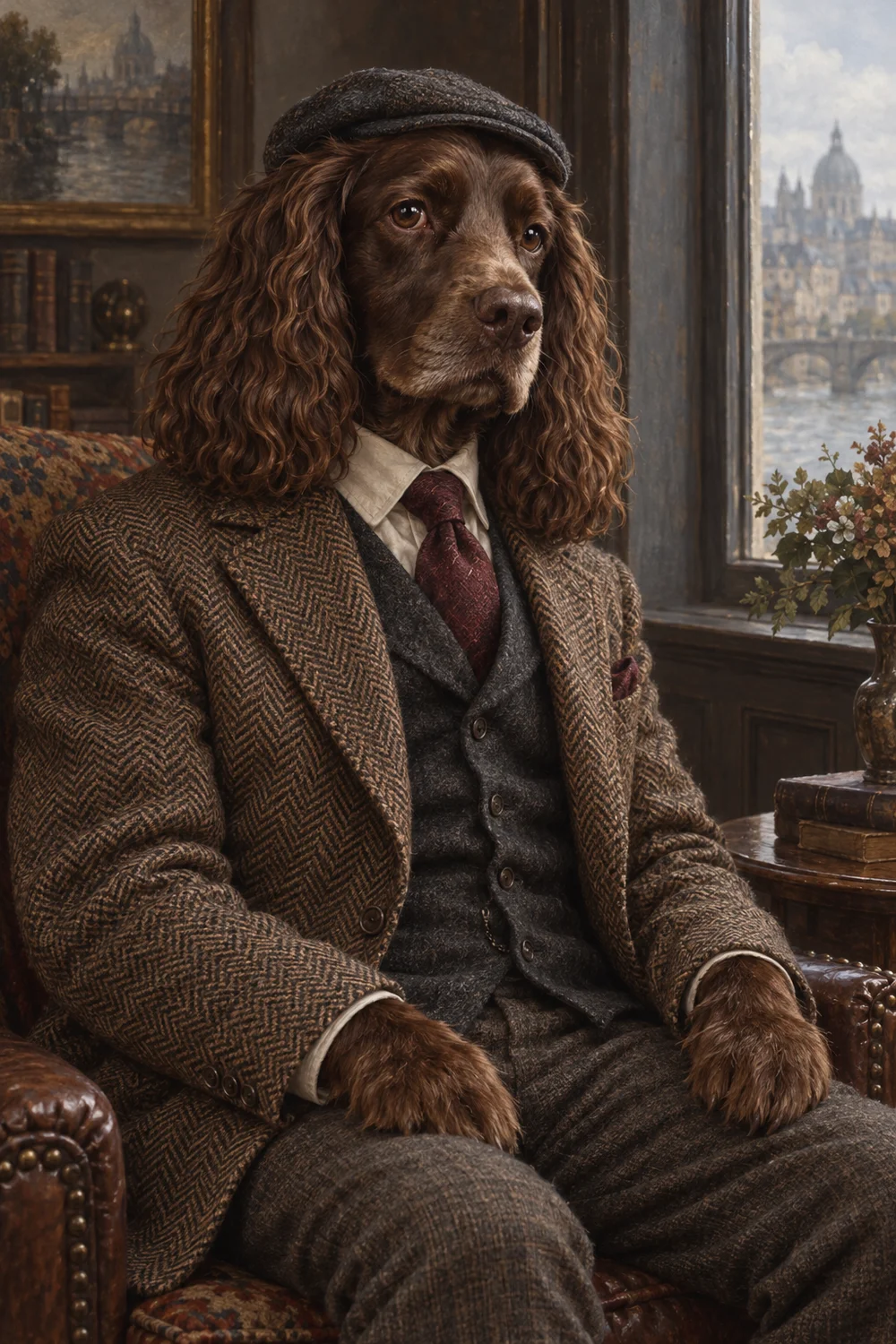
An older photo may work when the facial features are clear. Missing or blurred details cannot be reliably recovered. Use the clearest version available and compare the preview carefully before ordering.
AI-generated portraits may change colors, texture, features and composition. The preview gives you a chance to check what matters to you. You can decide not to order if the result doesn’t feel right.
Contact us before you start. We can help check what to consider for your chosen style.